
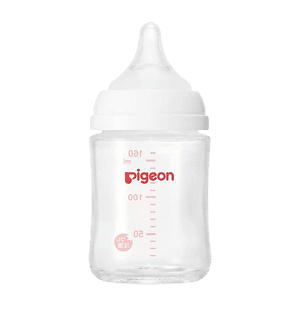
Pigeon Bottle System
Slow-flow, tapered nipple designed to support optimal tongue posture. My go-to bottle for protecting breastfeeding and feeding function. Available options & flows: Glass, Plastic SS (newborn) S (3+ months)
These are the bottles and feeding tools I most often recommend to support optimal feeding function, paced bottle feeding, and breastfeeding protection.
I recommend starting with the slowest flow nipple your baby can comfortably manage — bottle shape and flow rate can significantly impact feeding efficiency and breastfeeding success.
Slow-flow, tapered nipple designed to support optimal tongue posture. My go-to bottle for protecting breastfeeding and feeding function. Available options & flows: Glass, Plastic SS (newborn) S (3+ months)
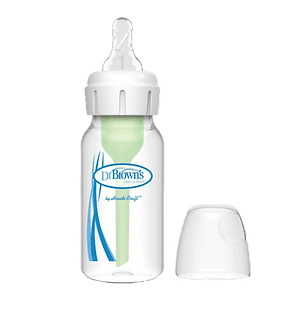
Anti-colic vent system with narrow shape. Widely available and helpful for babies who struggle with gas or reflux. Available options & flows: Glass, Plastic Premie & Transition (newborn) Level 1 (3+ months)
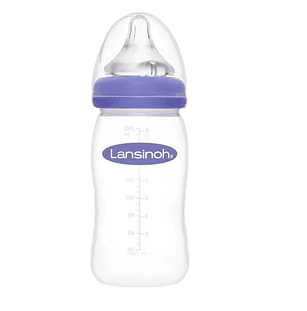
Wide-mouth design with a gradual slope nipple. A good alternative for babies who prefer a wider latch shape. Available flows: XS (newborn) S (3+ months)
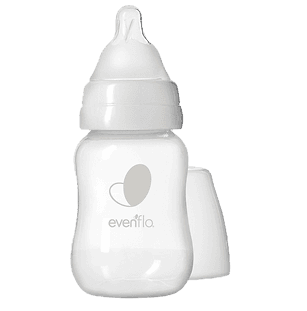
Gradual slope nipple that supports functional latch and feeding mechanics. A great option once baby is feeding efficiently (often 3+ months). For newborns, consider pairing this with a slower nipple such as Pigeon SS or Lansinoh XS before transitioning.
Open cup practice often begins around 5–6 months, with straw cup introduction around 6+ months as coordination improves. Early skill-building supports oral motor development and smoother transitions from the bottle.
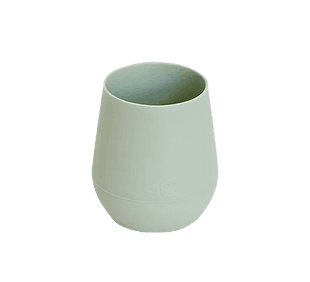
Ideal for early open cup practice (around 5–6 months, depending on readiness). The thin rim supports mature lip closure and controlled sips, while the stable weighted base helps reduce spills during early learning.

A supportive first open cup option (often around 5–6 months). Soft-rim or flow-controlled designs can feel less intimidating while still encouraging lip closure and mature swallowing patterns.
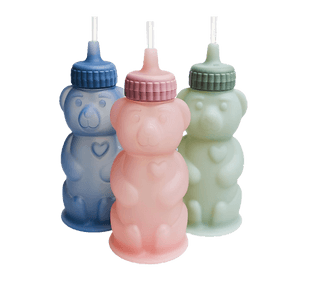
Excellent for teaching straw skills (6+ months). The squeezable body allows caregiver-assisted flow to help babies learn suction and coordination.
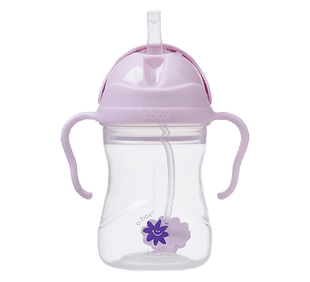
Allows babies to drink from any angle, supporting independence once straw skills are emerging (around 7–8+ months). A helpful next step after honey bear–style straw practice.