

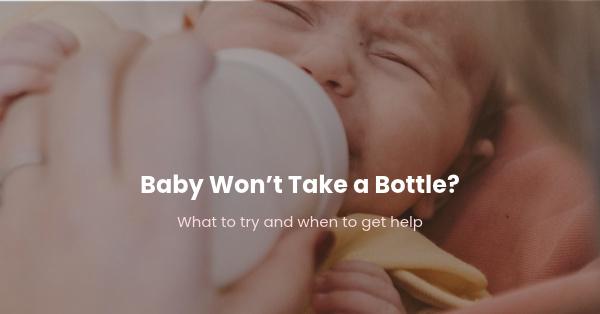
Bottles can be such a helpful part of feeding your baby, and sometimes they’re essential. So when your baby struggles with one or flat-out refuses it, it can feel frustrating, discouraging, and really stressful. Especially when you’ve already put so much into trying to make it work.
If you’ve found your way here, you may have been down quite a rabbit hole. Different bottles and nipples. Warm milk, cold milk. Different positions, different people offering the bottle. You keep hoping the next thing will help, and it’s disappointing when you’re still having the same struggle.
I’ve worked with many families through bottle refusal and other feeding challenges. There are a few things I often suggest trying, and I’ll share those here. Sometimes an adjustment to the setup or technique makes a difference. Other times, your baby needs a closer look at how feeding feels and works for them.
If you’ve tried several things and feeds are still difficult, I’d encourage you to get support. Watching a feed together, trying adjustments, and having someone help you notice your baby’s responses can give us a clearer place to start.
When I usually suggest introducing a bottle
If breastfeeding is going well and you’d like bottles to be an option, I often suggest trying one around a month old. You can offer one sooner if you need or want to. Bottles can help someone else share in feeding, give you a break, or help your baby get enough milk while you work through feeding challenges.
Once your baby is comfortable with the bottle, I usually suggest continuing to offer one a few times a week, if that fits your routine. Regular opportunities can help your baby and the people feeding them stay familiar with it, although they don’t guarantee continued acceptance.
If your baby already needs extra milk or has a feeding plan from their care team, follow that plan. We can talk through how bottles, pumping, and breastfeeding can work together for your family.
Start where your baby is comfortable
Choose a time when your baby is awake, in a good mood, and beginning to show hunger cues. If they’re already crying hard, help them settle first.
If your baby is comfortable taking the nipple, you can offer a paced feed. If they’re wary of it, make the first step smaller. They might be comfortable with the bottle nearby or with the nipple gently touching their lips. Give them time to open their mouth and explore, and stop if they turn away, stiffen, gag, or get upset.
Some babies begin with just a little milk and finish their feed at the breast while they gradually become more comfortable with bottles. If your baby is upset by even a light touch, I can help you work out where to begin and whether a feeding assessment would be helpful. Practice should follow what your baby can comfortably manage. CDC bottle-feeding guidance
Choose the nipple and flow for your baby
When I’m helping families combine breastfeeding and bottles, I often start with a slow-flow nipple and watch how the baby handles the milk. “Slow flow” varies considerably between brands, so the label alone doesn’t tell us whether it’s a good fit. Research on bottle nipple flow rates
I often like tapered nipples such as Lansinoh or Pigeon. I also sometimes use Evenflo Balance+ or Dr. Brown’s narrow bottles, depending on the baby.
We’ll look at how your baby takes the nipple into their mouth, maintains their seal, and coordinates drinking and breathing. If you already have several bottles, have them nearby for your visit so we can start with what you own. My bottle and nipple recommendations
If continuing to breastfeed is your goal, keep offering comfortable, positive opportunities at the breast alongside bottle practice. We can adjust both parts of feeding as needed.
Try a supported side-lying, paced feed
One position I often use is side-lying on a feeding pillow across your lap, as I demonstrate in the video below. You stay seated and attentive, with your baby supported on their side and their head and neck aligned.
Bring the nipple toward your baby’s upper lip and allow them to open and take it in. Hold the bottle roughly horizontal to the floor, paying attention to how the milk flows and how your baby responds.
While your baby is actively drinking, position the bottle so milk fills the nipple. When they need a pause, lower the bottle to stop the milk flowing or gently remove it. Give them time to breathe and show you whether they want more. The pillow supports the setup while you stay with your baby and hold the bottle throughout the feed.
It’s easier to see these small adjustments than describe them. You can watch how I position the baby and hold the bottle here. Watch my side-lying paced bottle-feeding demonstration
What comfortable bottle feeding can look like
When a feed is going well, your baby can drink, breathe, pause, and return to feeding without seeming to work hard through the whole bottle. I look for:
- A generally relaxed face, body, and arms.
- Comfortable sucking and swallowing, with pauses for breathing and rest.
- A steady seal, with little or no milk leaking.
- Minimal clicking, gulping, or pulling away in distress.
- Enough energy to take the milk they need without becoming exhausted.
Around 20 minutes can be a useful reference for a full feed, but your baby’s age, the amount offered, and their feeding needs matter. I consider the timing alongside comfort, intake, and growth. If feeds regularly drag on, your baby tires before taking enough, or milk seems to rush in faster than they can manage, that’s worth looking at together. Seattle Children’s feeding guidance
During a visit, I also assess how your baby maintains their hold on the nipple. You can leave that assessment to me and focus at home on keeping the feed comfortable and following their cues.
What we’ll look at during a bottle-feeding visit
For an in-home visit, have the bottles and nipples you already own nearby. We can use your usual feeding spot and include whoever else will be offering bottles.
I’ll ask about your baby’s feeding history, what you’ve tried, what happens during feeds, and what you’re hoping will become easier. I’ll also consider breastfeeding, pumping, milk supply, and how much milk your baby gets across the day when those are relevant.
If your baby is ready to feed, I’ll watch how they approach the nipple, how their tongue and jaw move, how they maintain their seal, and how they manage sucking, swallowing, breathing, and pauses. We can try different bottles, nipples, positions, and ways of offering the feed. I’ll demonstrate adjustments and help you practice them yourself.
If your baby is sensitive or defensive around the bottle, we may begin with a much smaller step. I can help you recognize what they’re comfortable with, what signs tell us to pause, and when they’re ready to try more.
Some babies benefit from further assessment with their pediatrician or an occupational therapist or speech-language pathologist who specializes in infant feeding. If I notice concerns with oral movement or swallowing, I’ll explain what I’m seeing and help you find appropriate support. ASHA guidance on pediatric feeding and swallowing
When to reach out
You can ask for help if your baby refuses bottles, struggles with flow, clicks or dribbles milk, gags, gets frustrated, or you’re unsure whether they’re taking enough. A baby may drink some milk and still find the feed difficult.
If your baby repeatedly coughs or chokes during feeds, takes much less milk overall, has noticeably fewer wet diapers, is unusually sleepy or hard to wake, or isn’t gaining as expected, contact their pediatrician promptly. If your baby is struggling to breathe or turning blue, call 911. Seattle Children’s guidance on when to seek care
I offer in-home visits in Seattle and nearby areas, as well as virtual consultations. If you’re outside my area, a local IBCLC or feeding OT/SLP with substantial bottle-refusal experience may be a good fit.
If cost is making it difficult to book, please reach out. We can talk about what might be possible. Your pediatrician may also be able to help you find feeding services covered by your insurance.
We’ll start with where you and your baby are now and make a plan you feel comfortable trying at the next feed. Explore bottle and combination feeding support